Meta description: Explore 7 major air freight risks in Malaysia, real-world costs, and how Zoom Nine G’s proactive logistics services help in avoiding shipping delays with efficient freight risk management.
Air freight draws businesses with the promise of speed and global reach. But even small mistakes can become a catastrophic disaster. For Malaysian importers and exporters, the stakes are especially high as air freight risks in Malaysia are real, and the difference between smooth delivery and financial loss can be razor-thin. Below are seven common failures that cost companies millions. More importantly, you will see how smart freight risk management and a proactive logistics partner like Zoom Nine G can help you avoid shipping delays and deliver with confidence.
1. Customs Holdups and Seizures
One of the most frequent headaches of businesses involving import and export is customs delays. In Malaysia, misdeclared HS codes, missing permits, or inconsistent documents often prompt authorities to hold cargo in bonded storage, sometimes for days or weeks. Every hour in storage accrues demurrage charges, and shipping delays can trigger missed delivery windows or penalty payments. Worse, in extreme cases, goods may be seized or returned.
How to prevent: Rigorously align all documents, automate digital templates, and pre-clear paperwork with customs ahead of arrival. At Zoom Nine G, we audit every shipment’s documentation in advance. Our team manages pre-clearance, tariff classification, and permit checks to mitigate air freight risks, so your cargo passes customs smoothly, avoiding bottlenecks that many others get stuck in.
2. Damage from Mishandling or Inadequate Packaging
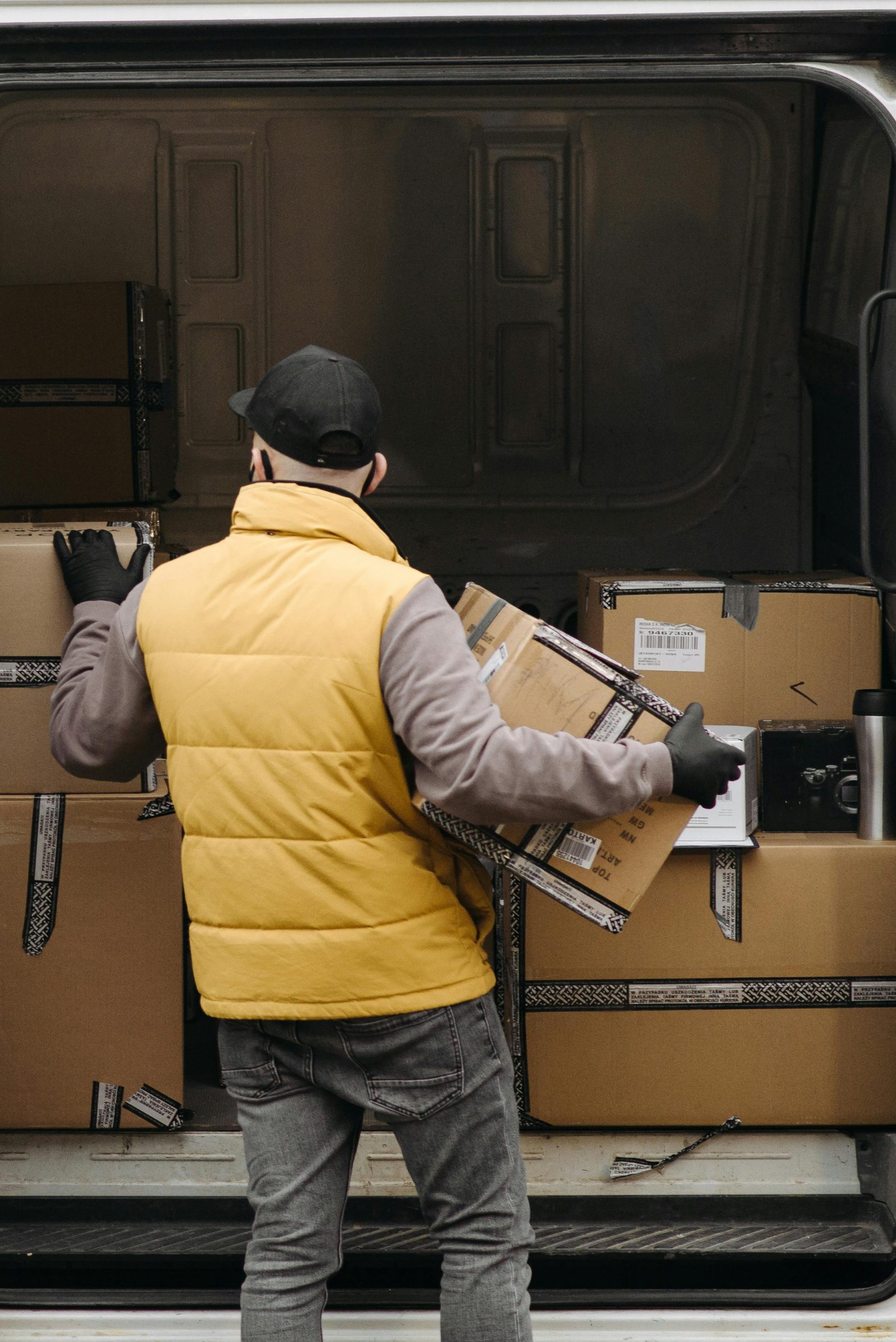
Fragile goods, electronics, precision instruments, or high-value components are at high risk when handlers drop, shift, or stack incorrectly. Countries across Asia report losses in the tens of millions annually due to poor handling. Weak wraps or using the wrong pallet types lead to breakages or extra handling fees.
Malaysia’s electronics sector is huge. From January to July 2025 alone, exports increased by 17.3% year-on-year, reaching RM391 billion. This further emphasises how critical it is to protect such valuable goods in transit. One broken pallet of electronics can easily cause losses in the hundreds of thousands of ringgit.
How to prevent: Use air-rated packaging, secure your load properly, conform to airline specifications and have experts validate your package. At Zoom Nine G, we treat packaging like part of the service, not an afterthought. Our in-house team uses air-rated crates, reinforced cushioning, and secure pallet wraps. We also supervise load and unload operations, implementing smart freight risk management to minimise risks.
3. Spoilage in Temperature-Sensitive Cargo
Perishable goods like seafood, fresh produce, or life-saving pharmaceuticals are among the most vulnerable shipments in air freight and rely on strict temperature control. Even a short period outside the safe temperature range can render such cargo unusable.
Globally, perishable spoilage represents billions of dollars in losses each year, and in Malaysia, the risk is climbing as exports in food, biotech, and pharmaceuticals continue to grow. For these industries, the margin for error is measured not in hours but in minutes, making air freight risks in Malaysia especially high when it comes to temperature-sensitive cargo.
How to prevent: Always use certified cold-chain logistics, ensure continuous temperature monitoring, and build contingency plans for transit delays. Perishable goods require end-to-end visibility, from departure to arrival, to avoid spoilage. At Zoom Nine G, we embed these safeguards directly into our operations. We partner with trusted cold-chain providers, integrate temperature sensors with live alerts, and prepare alternate routes in case of flight disruptions. This ensures your sensitive cargo, whether pharmaceuticals, seafood, or fresh produce, remains stable and arrives in prime condition, avoiding any shipping delays.
4. Route Errors, Delays, or Transhipment Mix-ups
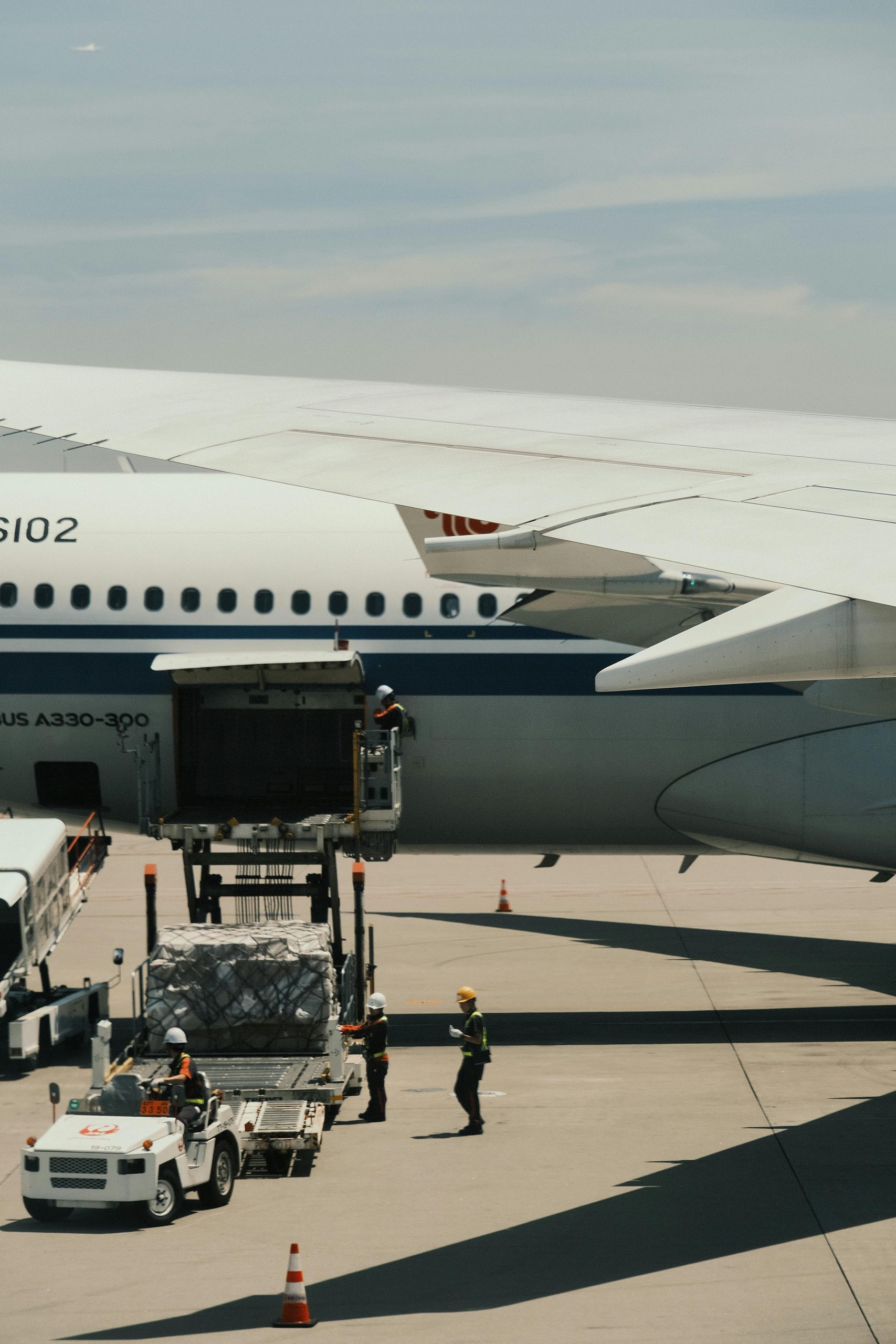
When air capacity is tight, especially during peak seasons, flights get full, routes get delayed, and cargo can wander. The global air freight market in 2024 was valued at USD 332.03 billion and is projected to grow at 5.8% annually as demand from e-commerce intensifies. In Malaysia, the air freight market reached USD 958.20 million in 2024 and is expected to hit USD 1,513.89 million by 2033 (CAGR 4.68%).
This growth puts immense pressure on airlines, leading to more indirect routings during congestion. Such shipping via indirect or unfamiliar routes increases air freight risk. Missed connections, overlooked segments, or misrouted legs are common in complex networks.
How to prevent: Always plan routes with contingencies, monitor airline capacity in real time, and avoid unnecessary transhipments. We design resilient route plans that balance speed and reliability. Because we monitor flight loads and back-ups, we proactively shift cargo when bottlenecks emerge. We don’t leave your shipment stuck because of a bad route.
5. Lack of Visibility and Real-Time Tracking
When cargo goes out of sight, shippers lose control. Many companies still depend on manual updates or phone calls from agents, which means problems are only discovered after they’ve already caused delays. A missed connection, a late departure, or a shipment sitting idle on the tarmac might remain unnoticed until the customer starts asking questions. In today’s environment, where 72% of Malaysian shoppers prioritise fast delivery and 40% abandon platforms due to slow shipping, the cost of blind spots in the supply chain is huge. Lack of visibility doesn’t just cause shipping delays. It damages trust, erodes reputation, and leaves businesses scrambling to recover.
How to prevent: Visibility needs to be proactive, not reactive. Real-time tracking tools with alerts and escalation protocols let shippers see when cargo drifts off schedule and act before delays escalate. At Zoom Nine G, our live-tracking dashboard provides instant status updates, route progress, and exception alerts. If a shipment stalls, both you and our operations team are notified immediately, enabling quick intervention. This transparency is a cornerstone of effective freight risk management, giving you control, peace of mind, and the ability to consistently avoid shipping delays.
6. Theft and Security Breaches
Cargo theft is one of the most damaging air freight risks in Malaysia and worldwide. High-value goods like electronics, pharmaceuticals, and luxury items are prime targets. Thieves strike most often while shipments are in transit, with reports showing that 71% of global theft incidents occur on the move compared to just 21% in storage facilities.
For shippers, theft is more than just the loss of goods. It triggers chain reactions like contract penalties, replacement costs, insurance claims, higher premiums, and, worst of all, damage to customer trust. A single breach can undo years of reputation-building.
How to prevent: The best defence is layered protection. Shipments must be secured with tamper-proof seals, tracked in real time, and safeguarded with certified facilities and strict chain-of-custody protocols. At Zoom Nine G, every handoff is logged and verified, access is tightly controlled, and cargo is stored only in certified secure warehouses. Our vehicles and containers are sealed with unique identifiers to prevent tampering, and we offer tailored cargo insurance to ensure financial protection even in worst-case scenarios.
7. Hidden Costs and Idle Time Overruns
Delays don’t just slow shipments; they quietly drain profits. Every idle hour your cargo spends in customs yards, bonded warehouses, or on tarmac storage racks comes with a price tag. Storage fees, demurrage charges, handling surcharges, and even late penalties can pile up quickly. These invisible costs often go unnoticed until they tip thin profit margins into losses.
In Malaysia, the scale of air freight makes the issue even more pressing. The nation recorded 1,034.1 million kilogrammes of air cargo in 2024 alone. With volumes rising every year, competition for capacity intensifies, and idle times become more frequent. Shippers who fail to manage these delays often discover that it is not the freight rate itself but the hidden costs that destroy profitability.
How to prevent: The solution lies in proactive planning and continuous movement. Shipments must be scheduled with realistic buffer times, customs processes should be pre-cleared, and end-to-end transfers must be tightly coordinated to keep cargo flowing. At Zoom Nine G, we reduce idle risks by integrating customs brokerage, freight forwarding, and ground transport into one seamless process. Our teams consolidate trips where possible, manage paperwork in advance, and coordinate warehouse handovers to minimise waiting. This reduces exposure to unnecessary surcharges, keeping costs predictable and shipments on track.
How to Avoid Cargo Delays in Malaysia?
Delays in air freight are not caused by chance. They result from avoidable weaknesses in planning, documentation, packaging, routing, visibility, and security. For Malaysian shippers, the stakes are rising as cross-border e-commerce grows and capacity tightens. No shipping method is flawless, but smart freight risk management turns uncertainty into control, making sure compliance, tracking, and contingency planning are all in place.
To truly avoid shipping delays and hidden costs, businesses need more than a transporter; they need a logistics partner who anticipates risks before they appear. That is what Zoom Nine G delivers with integrated customs support, secure handling, advanced tracking, sustainable solutions, and reliable networks that keep your cargo moving without unnecessary interruptions.
Don’t let delays decide your bottom line. Let Zoom Nine G move your business forward with air freight that is smarter, faster, and safer.