As COP29 wrapped up in Baku just days ago, the pressure on aviation to decarbonise hit a new high. ICAO and IATA pushed hard for clean energy transitions, highlighting Sustainable Aviation Fuels (SAF) and the sector’s net-zero by 2050 pledge, while critics called out slow progress on real cuts (ICAO COP29 reports; IATA COP29 overview).
For Malaysian businesses relying on green air freight, this isn’t distant talk. It’s the future knocking. With Bursa Malaysia rolling out mandatory ESG reporting for listed companies starting in 2025 and expanding wider by 2027, sustainable cargo practices in eco-friendly logistics in Malaysia are shifting from nice-to-have to must-do.
Riding the SAF Wave in Asia-Pacific
Sustainable Aviation Fuel is the biggest game-changer right now. Made from waste oils, agricultural residue or even synthetic sources, SAF can slash lifecycle emissions by up to 80% compared to regular jet fuel.
In the Asia-Pacific region, adoption is picking up steam. Singapore Airlines and Cathay Pacific ran commercial SAF flights this year, and Japan aims for a 10% SAF blend by 2030 as per ASAFA’s report. Malaysia isn’t far behind: Petronas is exploring local production from palm waste, turning a national resource into lower-carbon fuel without competing with food crops.
Switching even 10-20% of your air shipments to carriers using SAF delivers quick wins for carbon-neutral shipping goals.
Smarter Routes and Consolidated Shipments: Low-Hanging Fruit
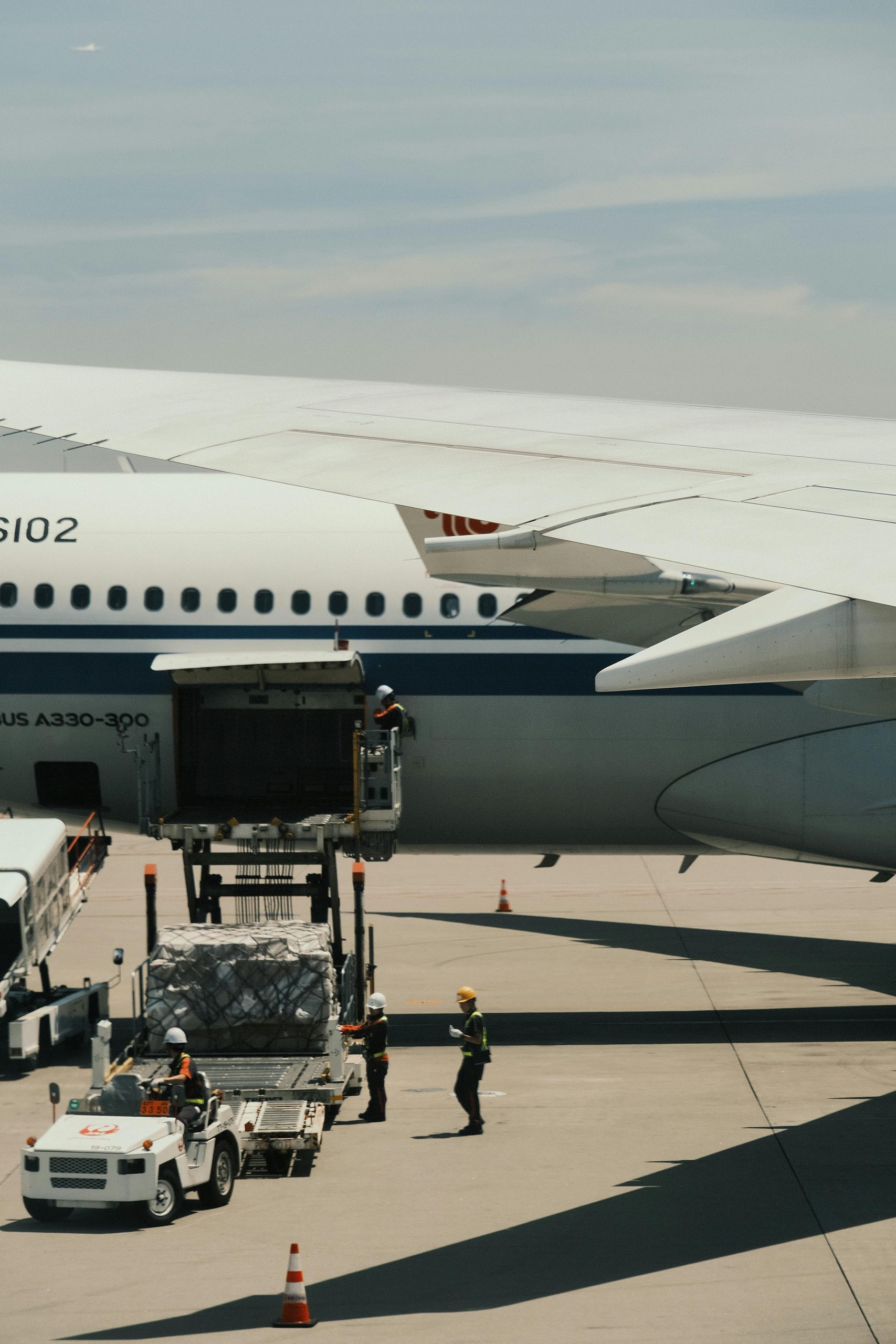
You don’t always need fancy fuels to start. Route optimisation using AI tools to pick shorter paths, avoid congested hubs or fly newer, efficient aircraft can trim fuel burn by 5-15% per trip. Consolidating shipments is even simpler: bundle multiple orders into one pallet or Unit Load Device (ULD) instead of half-empty flights.
DHL’s GoGreen programme in Asia showed this in action by optimising routes and consolidating air cargo, reducing carbon emissions by 30% on shipments to promote carbon-neutral shipping.
The Green ROI: A Real Malaysian Case Study
A standout example comes straight from MASkargo’s own operations. Since installing solar panels at the MASkargo Advanced Cargo Centre in 2014, the facility has offset thousands of tonnes of carbon emissions through renewable energy, enough to power cargo handling with zero grid emissions on sunny days. Pair that with their early adoption of SAF on cargo flights (Malaysia’s first in the sector) and ongoing partnerships like the 2025 MoU with FatHopes Energy to turn used cooking oil into local SAF, and you see real momentum toward carbon-neutral shipping.
Why Green Air Freight Will Be Mandatory in Malaysia by 2027
Between global IATA pressure, incoming ESG mandates from Bursa Malaysia, and buyer demands for verifiable low-carbon supply chains, ignoring sustainable cargo means risking market access. Starting small with consolidation and optimisation pays off fast, then layer in SAF as supply grows. Malaysian firms leading on eco-friendly logistics aren’t just complying. They are future-proofing profits and reputation. The COP29 message was clear: act now, or get left grounded.
Zoom Nine G is already helping Malaysian shippers do exactly that. Drop us a message today and let’s get your supply chain ready for 2027 (and beyond). The future of air freight is green, and it’s taking off now.