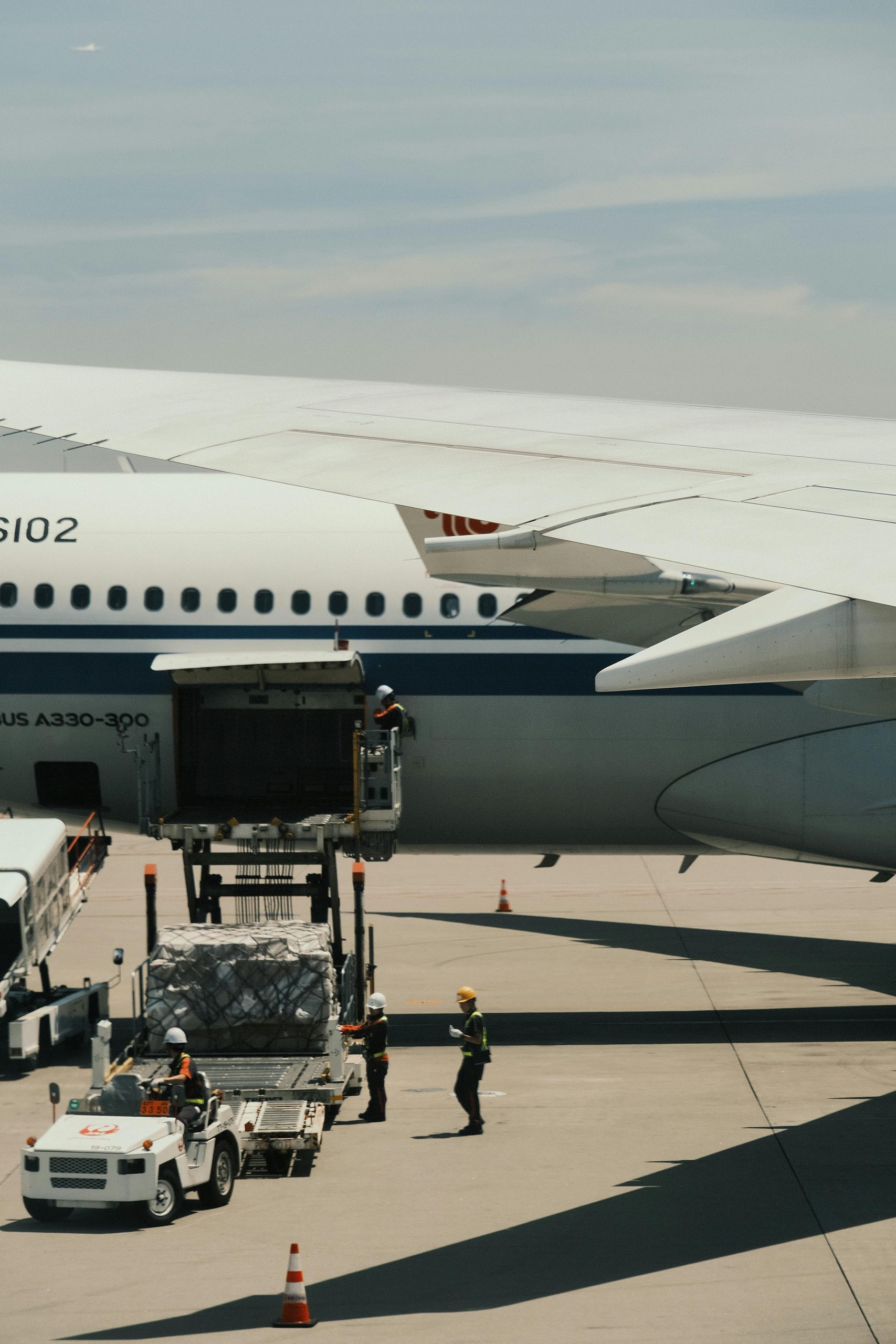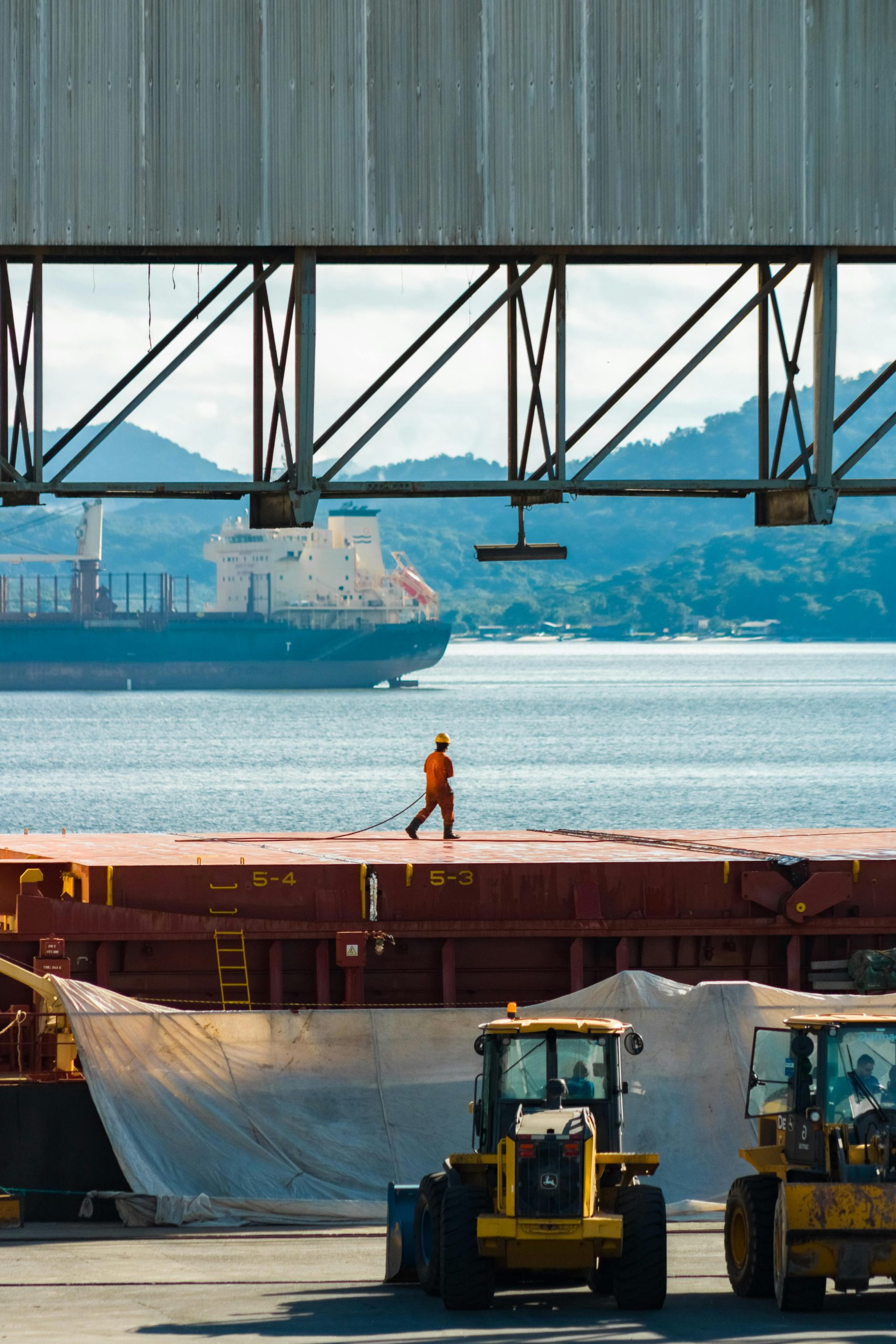
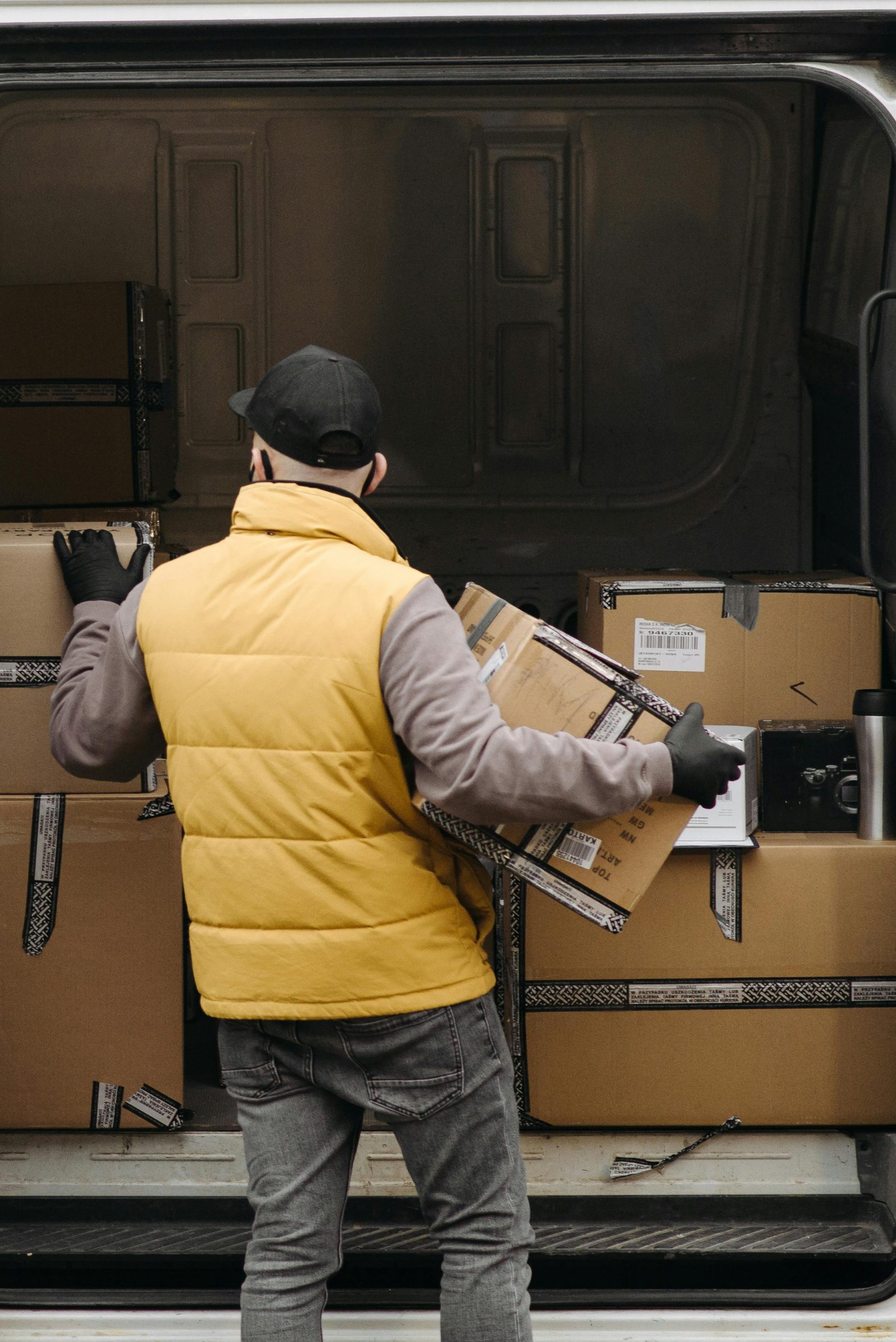
Global supply chains are unforgiving. One small slip in air freight can spiral into massive losses, especially when time-sensitive goods are involved. With recent disruptions like Red Sea rerouting pushing more cargo to air and customs crackdowns intensifying, air freight mistakes are hitting harder than ever. Here are seven real-world air freight disasters that happen far too often, that drove up costs, spoiled goods, or lost markets entirely, and simple ways to sidestep them with better freight risk management.
The Hidden Traps That Burn Cash and Time
- Documentation Errors Triggering Customs Seizures
One tiny mismatch between the invoice description and the packing list (or a wrong HS code) can lead to customs stopping your cargo. Your shipments sit for weeks, sometimes months. Demurrage piles up, penalties hit six figures, and in the worst cases, the entire load has the risk of getting confiscated or destroyed.
- Inadequate Packaging Leading to Damage
A pallet that sticks out a few centimetres, cheap wrapping that tears easily, or boxes that shift inside the hold can lead to disaster. Turbulence or rough handling breaks through the fragile packaging, damaging expensive electronics, medicines, or machinery. Airlines hit you with rejection fees or huge surcharges, insurance battles drag on, and you are left covering the loss.
- Perishable Cargo Spoilage from Delays
Fresh seafood, flowers, tropical fruit, or temperature-sensitive vaccines need perfect cold chains from start to finish. A few extra hours on a hot tarmac or one missed connection can lead to everything inside spoiling. This can not only cost you millions but also risk your reputation with the customers you have worked so hard to build.
- Port Congestion Ripple Effects on Air Handoffs
Even pure air shipments often touch sea ports for transfer. When vessels queue outside the gateway, your “urgent” air cargo misses the onward flight and ends up sitting in bonded warehouses. Storage fees explode and delivery windows vanish.
- Underestimating Hidden Surcharges
You lock in a great base rate, but often fuel, security, peak-season, and war-risk surcharges arrive unannounced. One Asia-to-Europe lane can jump 50–100 % overnight when capacity tightens. Shippers who didn’t see it coming watch margins disappear.
- Last-Mile or Ground Handoff Failures
If the plane lands on time with your shipment, but the truck isn’t there or the paperwork isn’t ready for the gate, your valuable goods risk getting stolen while waiting. This is a risk you simply cannot take when your business depends on it.
- Poor Route Choices Amid Disruptions
Booking the cheapest indirect routing may often seem good idea until conflict or weather shuts down a hub. Suddenly, you’re facing missed connections, emergency rerouting at triple the cost, or watching urgent orders arrive weeks late by ocean instead.
How Zoom Nine G Keeps These Nightmares From Happening
Zoom Nine G tackles air freight mistakes for businesses head-on with pre-clearance customs checks that catch mismatches before takeoff, airline-compliant packaging audits, real-time tracking for handoffs, and route optimisation that factors live congestion. We consolidate loads to dodge surcharges and build buffers for perishables, so you avoid shipping delays and protect margins.
Bottom line: When even a small freight risk management lapse costs millions, partnering with someone who anticipates the chaos makes all the difference. Ready to fly worry-free? Hit up Zoom Nine G. Your cargo deserves it.